.png)
The Empower 2026 Virtual Summit is a two-day online event focused on the real-world lessons shaping evidence-based care across child welfare, education, juvenile justice, criminal justice, behavioral health, and human services.
This year’s theme, What the Field Is Teaching Us: Real-World Lessons on Evidence-Based Care That Works, centers the voices of professionals and organizations working through the daily realities of service delivery, implementation, workforce support, engagement, data use, technology, and sustainability.
Across two days of virtual sessions, attendees will hear from agencies, providers, implementation partners, practitioners, policymakers, and system leaders about what evidence-based care looks like in real-world settings. Through keynote presentations, organization-led sessions, focused discussions, and optional limited-capacity roundtables, the event will highlight what is working, what remains challenging, and what organizations are learning as they deliver, support, and sustain care across the field.
Standard registration includes access to this free event for behavioral health professionals, justice professionals, child welfare teams, educators, and human services leaders looking for practical lessons in evidence-based care.
Free registration includes:
The $25 registration tier includes everything in the free registration, plus additional benefits.
This tier offers an accessible professional development option for behavioral health, mental health, justice, and human services professionals who want a certificate of attendance and additional learning benefits.
The $25 registration tier includes:
As a registered attendee, you will have the opportunity to sign up for limited-capacity roundtables held during select times within the summit.
Empower Community Care works to strengthen outcomes for young people, adults, families, and communities through evidence-based practices, tools, software, training, and implementation support.
Across our family of organizations, Empower supports agencies, providers, and systems working in justice, child welfare, behavioral health, education, and human services. The 2026 Virtual Summit reflects that shared commitment by bringing the field together to learn from real-world experience, practical challenges, and implementation lessons.
The Empower 2026 Virtual Summit is designed for evidence-based professionals working across child welfare, education, justice, behavioral health, and human services.
This includes agency leaders, providers, implementation partners, policymakers, practitioners, program administrators, supervisors, quality improvement leaders, education leaders, behavioral health leaders, juvenile justice and criminal justice professionals, child welfare professionals, and teams responsible for selecting, delivering, supporting, or sustaining evidence-based care.
Whether attendees are leading strategy, supporting implementation, delivering services, managing teams, or strengthening practice quality, this summit offers practical lessons from across the field.
.png)





.png)
Speaker details will be added as the agenda continues to be finalized.
Senior Director, Strategic Initiatives
Empower Community Care
Founder & Program Developer
Incredible Years
Manager of Clinical Implementation
MST Services
Deputy Director
Carey Group

Chief Executive Officer, Director of Assessment
Orbis
Executive Director
Carey Group/Evidence Based Associates
Field Services Director
Minnesota Department of Corrections
Chief Executive Officer
Empower Community Care
Chief Technology Officer
Empower Community Care
Director
Center for Evidence-based Partnerships in Virginia
Associate Director
BSFT | FTTIM
Workforce Delivery Lead
Wharaurau
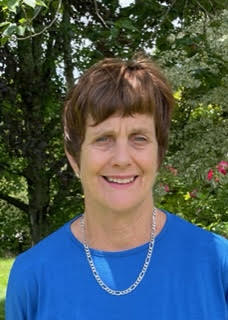
IY Mentor | IYP Basic and Autism Parent
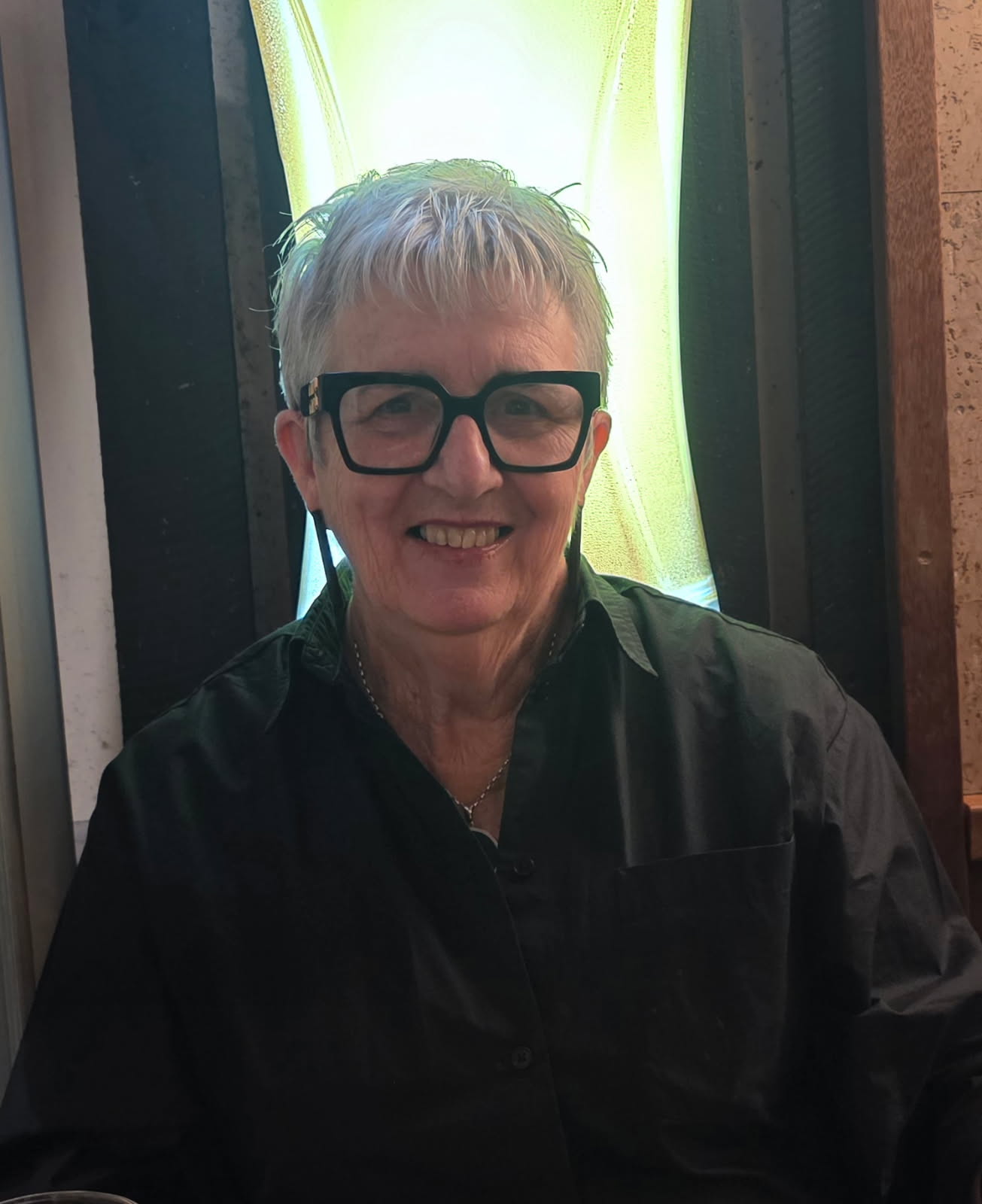
IY Mentor | Incredible Beginnings and Incredible Years Teacher Autism
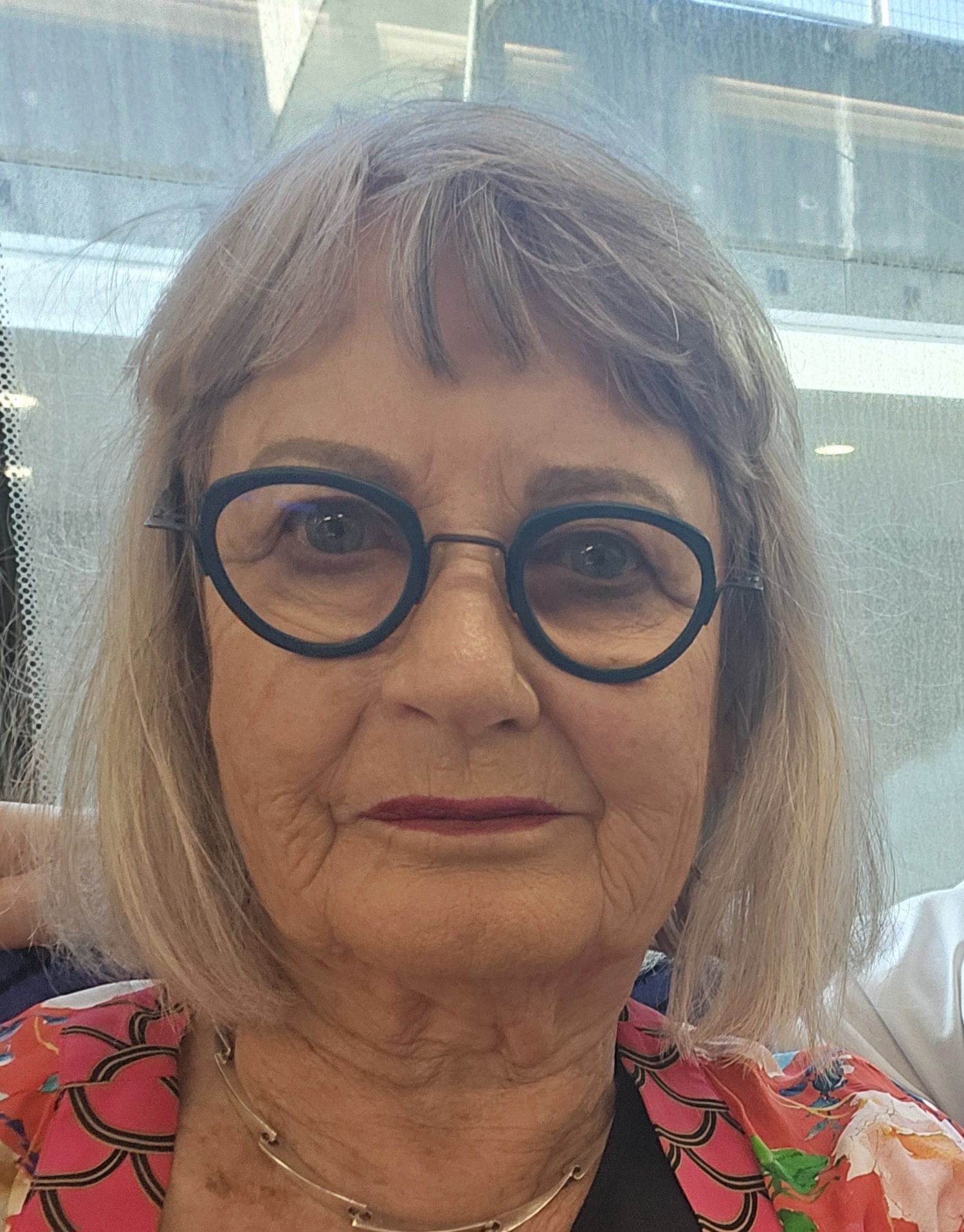
IY Mentor | Teacher Autism and Incredible Beginnings Teacher Training
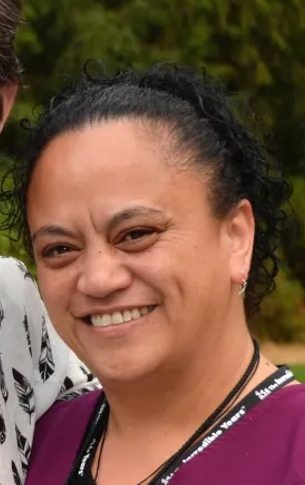
Social Worker and IY Mentor | Basic Parent
Ministry of Health’s Child Adolescent Mental Health Services
Deputy Director, Treatment and Support Services
South Carolina Department of Juvenile Justice
MST Expert
MST Services
Program Director
Evidence-Based Associates
Program Director
Ruth Young Social Impact Institute
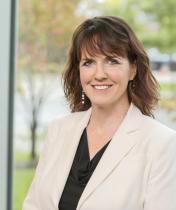
MST Network Partner Director of Ohio
MST Services
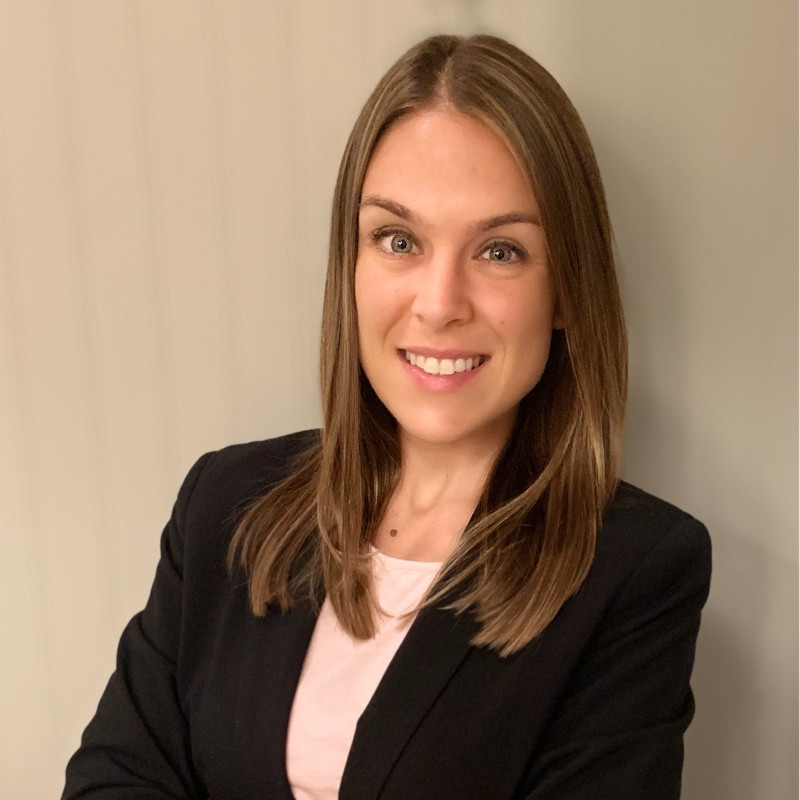
Assistant Director
New Jersey Department of Children & Families, Division of Family & Community Partnerships
Research Scientist 1
New Jersey Department of Children & Families, Office of Applied Research & Evaluation
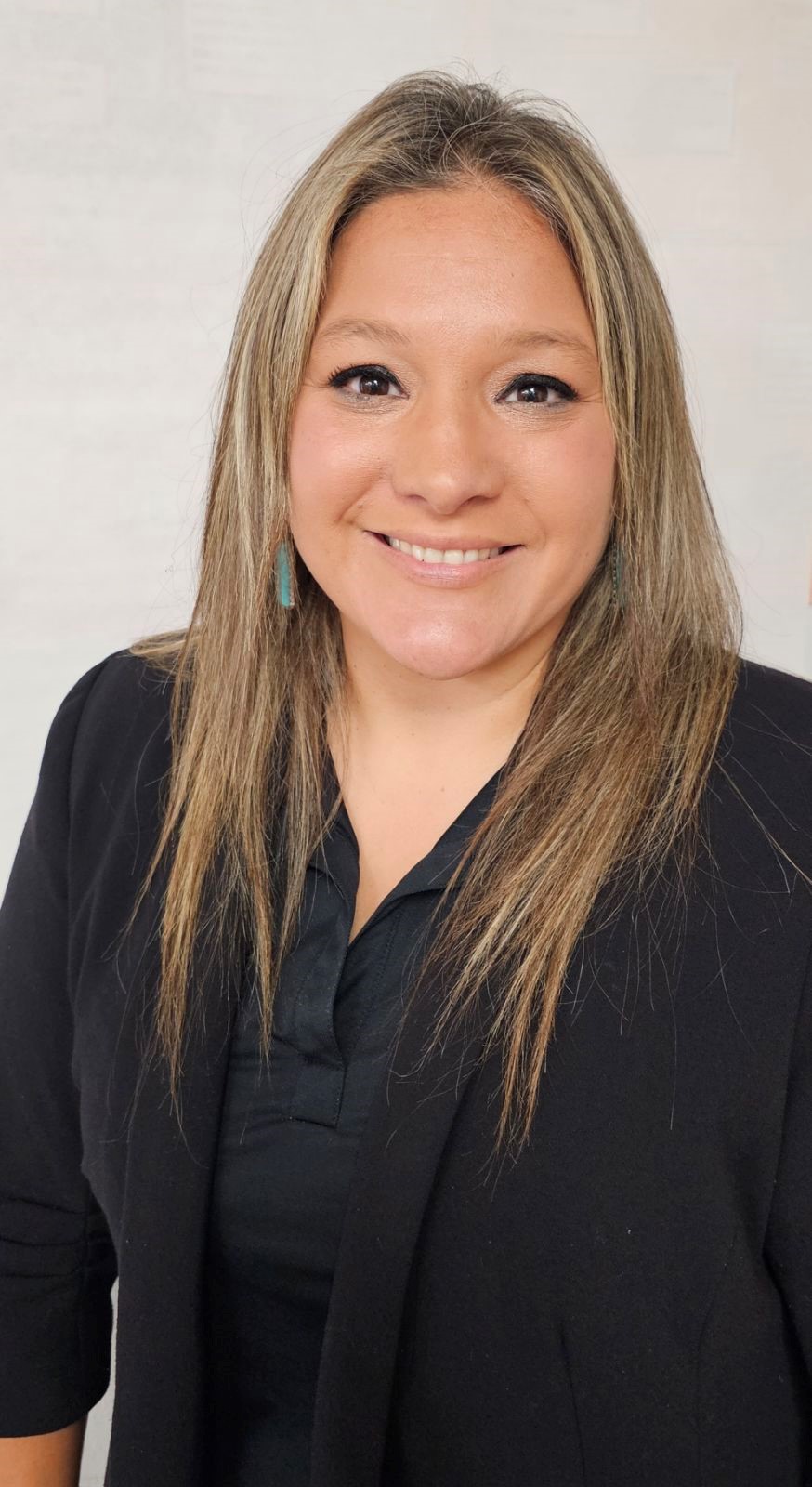
Senior Program Manager of Specialty Programs Youth and Family
Tropical Texas Behavioral Health
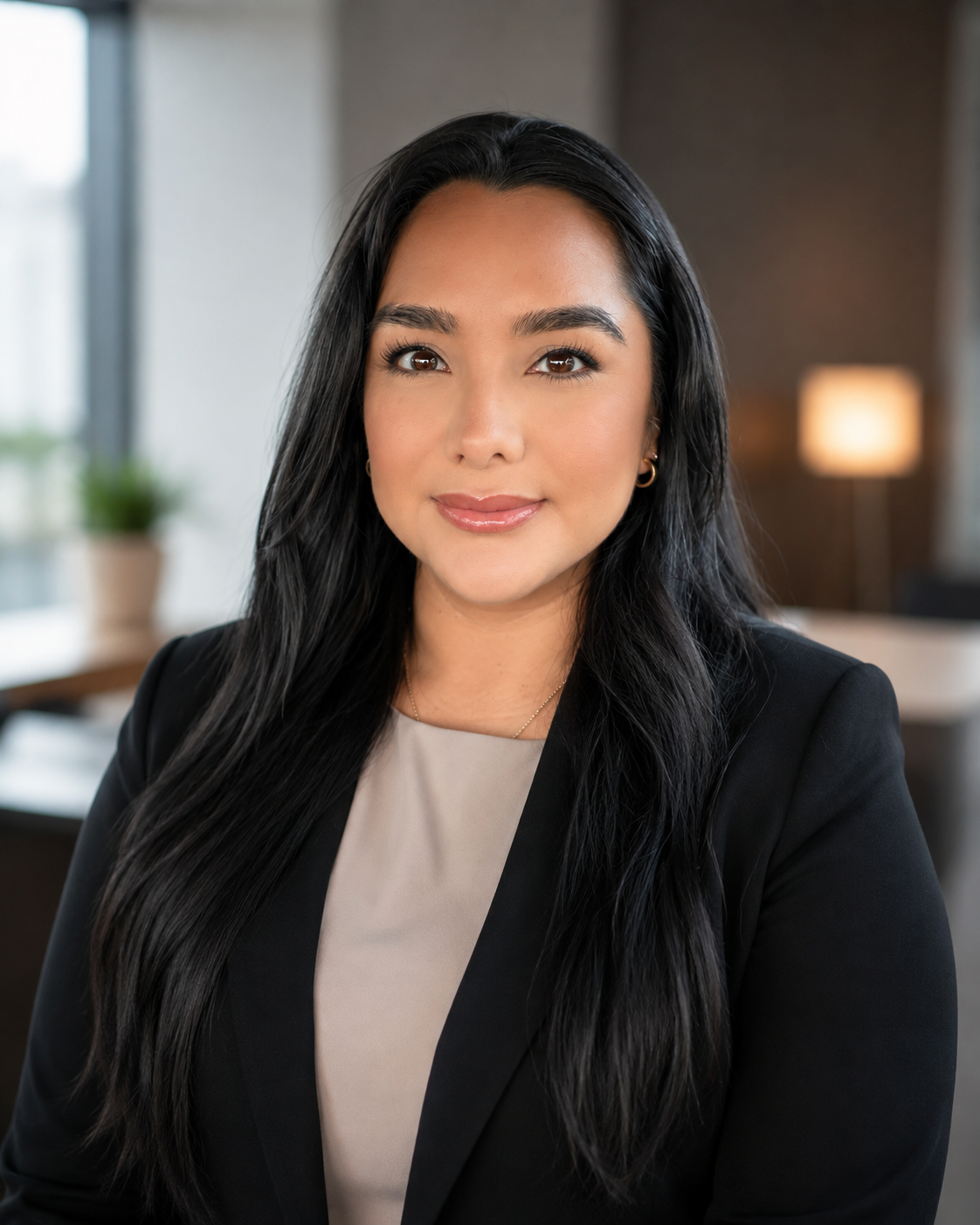
MST Program Supervisor
Hidalgo County | Tropical Texas Behavioral Health
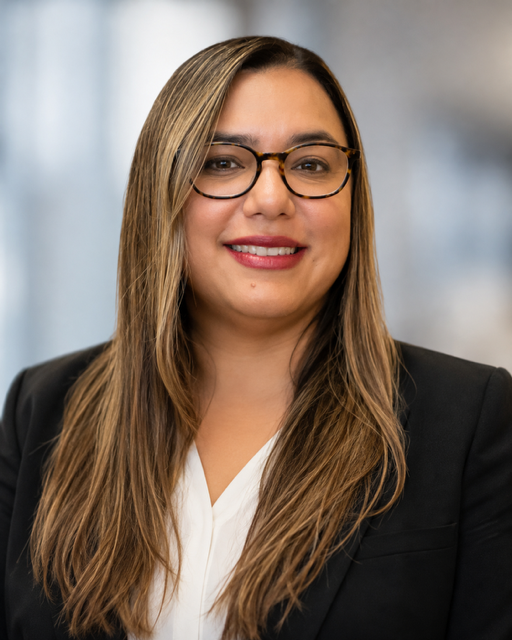
MST Program Supervisor
Cameron & Willacy Counties | Tropical Texas Behavioral Health
__1790717713443.jpg)
Program Director
Acenda, Brief Strategic Family Therapy Program
Administrator
New Jersey Department of Children & Families, Office of Family Preservation and Reunification
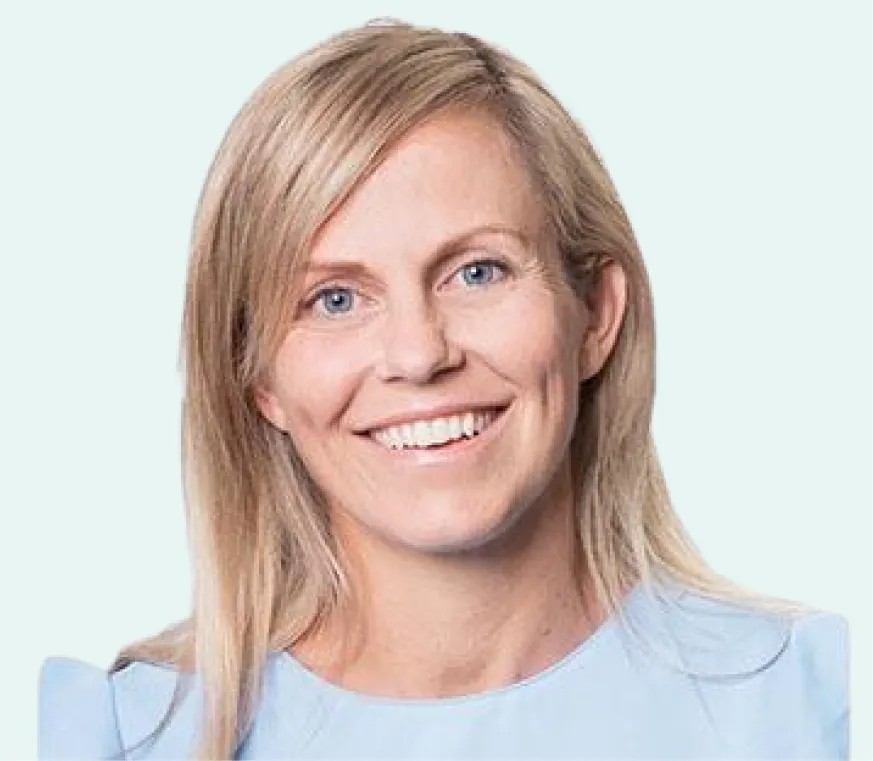
Principal Advisor
Whāraurau
 10/08/2026 09:30 am
to

Family-based EBPs in Virginia: Current status and moving toward network adequacy
Virginia has invested roughly $10 million in family-based evidence-based programs since 2017 — Brief Strategic Family Therapy, Family-Centered Treatment, Functional Family Therapy, and Multisystemic Therapy — but has never had a regular process for testing whether that array actually reaches the families who need it. In a state-supervised, locally administered system, availability varies sharply by locality.
This keynote reviews the current status of Virginia’s family-based EBPs, including availability, fidelity, and outcome data. The talk will also explore funding trends for these EBPs. Last, the case will be made for the relevance of a network adequacy approach to continuing the buildout of family-based EBPs in the state. Drawing on a CEP-Va reporting and other data sources, a five-metric pilot is proposed that focuses on provider supply, capacity, drive time, appointment access, and utilization across a three-part taxonomy distinguishing geographic, capacity, and access gaps.
Learning Objectives
At the end of this session, participants will be able to:
Michael Southam-Gerow, Ph.D.
Director
Center for Evidence-based Partnerships in Virginia
10/08/2026 10:20 am
to
Registered summit attendees can opt into smaller roundtable discussions hosted during extended break windows. These 30-minute sessions are designed for focused conversation around specific field challenges, implementation lessons, service delivery questions, and practical takeaways. Space will be limited so participants can engage more directly with presenters, providers, agency partners, and Empower organization representatives.
10/08/2026 11:00 am
to
In this session FFT LLC be joined by START Corporation based in Louisiana. We will discuss how START decided to bring FFT to their agency over 11 years ago and why they have continued to expand their FFT offerings to include FFT-CW and FFT LLC’s newest adaptation, FFT-Ei, to better serve their families and communities. During this panel discussion you will hear from FFT LLC about the differences in these FFT model adaptations as well as administrators from START about how they made their decision to expand FFT and Supervisors who will talk about how the different adaptations are working on the ground. This is a great session for anyone interested in meaningful ways to serve kids ages 0-18 and their families using evidence based interventions.
10/08/2026 12:10 pm
to
10/08/2026 12:25 pm
to
Successfully implementing evidence-based services requires more than selecting the right program—it requires strategic planning, strong partnerships, and effective change management. This session explores how the New Jersey Department of Children and Families launched Brief Strategic Family Therapy (BSFT®) statewide as part of its implementation of the Families First Prevention Services Act (FFPSA). Presenters will share practical lessons on implementation planning, stakeholder engagement, workforce readiness, communication strategies, referral pathways, model fidelity, and continuous quality improvement. Participants will learn how implementation science, cross-system collaboration, and real-time data supported sustainable statewide implementation and will leave with practical tools and replicable strategies to strengthen evidence-based Family First services in their own child welfare systems.
Debra Miller, PhD, LMSW
Associate Director
BSFT | FTTIM
Daniela Guarda, MSW
Assistant Director
New Jersey Department of Children & Families, Division of Family & Community Partnerships
Kelly Piccinino, Ph.D.
Research Scientist 1
New Jersey Department of Children & Families, Office of Applied Research & Evaluation
Kerry Joslin, LCSW
Program Director
Acenda, Brief Strategic Family Therapy Program
Wendy Serignese
Administrator
New Jersey Department of Children & Families, Office of Family Preservation and Reunification
10/08/2026 01:35 pm
to
10/08/2026 02:20 pm
to
Agencies delivering evidence-based programs face a consistent set of pressures: onboarding new therapists quickly, supporting teams through ramp and turnover, and keeping fidelity and outcomes visible without adding administrative burden. This session shares what we heard from clinical experts, supervisors, and agency partners, and how those conversations are shaping the platform we are building. We will focus on where data and technology can remove real barriers to putting evidence-based care into practice, grounded in what practitioners told us matters most.
Mihai Fonoage, PhD
Chief Technology Officer
Empower Community Care
10/08/2026 03:05 pm
to
Registered summit attendees can opt into smaller roundtable discussions hosted during extended break windows. These 30-minute sessions are designed for focused conversation around specific field challenges, implementation lessons, service delivery questions, and practical takeaways. Space will be limited so participants can engage more directly with presenters, providers, agency partners, and Empower organization representatives.
10/08/2026 03:45 pm
to
This session brings together two vantage points on evidence-based program implementation: a frontline service provider and a state-level funder. Panelists will share how Evidence Based Programs have been adapted and scaled to meet the needs of communities, including robust referral, effective delivery of services responsive to local needs, and how data and outcomes inform funding decisions at the program and state level. A moderated panel will explore what sustained, high-fidelity implementation looks like in practice, the role data plays (or could play) in guiding program decisions, and lessons for other jurisdictions considering similar investments. Attendees will leave with practical insight into what it takes to align service delivery, funding strategy, and data use around a shared commitment to better outcomes for youth and families.
Jennifer Loschiavo
Deputy Director, Treatment and Support Services
South Carolina Department of Juvenile Justice
Monica Rodriguez, MPA, MSCR
Senior Program Manager of Specialty Programs Youth and Family
Tropical Texas Behavioral Health
Cassandra Torrez, M.S., LPC
MST Program Supervisor
Hidalgo County | Tropical Texas Behavioral Health
Leticia Benavides, LPC
MST Program Supervisor
Cameron & Willacy Counties | Tropical Texas Behavioral Health
Dan Edwards
Senior Director, Strategic Initiatives
Empower Community Care
10/08/2026 04:55 pm
to
We’ll close out the summit with a brief final message and thank attendees, speakers, and partners for being part of this year’s event.
10/07/2026 09:30 am
to
This opening keynote will set the stage for two days of field-informed conversations on the real-world conditions shaping evidence-based care across child welfare, education, justice, behavioral health, and human services.
JP Guilbault
Chief Executive Officer
Empower Community Care
10/07/2026 10:20 am
to
Registered summit attendees can opt into smaller roundtable discussions hosted during extended break windows. These 30-minute sessions are designed for focused conversation around specific field challenges, implementation lessons, service delivery questions, and practical takeaways. Space will be limited so participants can engage more directly with presenters, providers, agency partners, and Empower organization representatives.
10/07/2026 11:00 am
to
This session will be structured as a facilitated panel discussion featuring:
The discussion will be guided by key questions rooted in implementation science, including:
Melina Napoli, LCSW-R, CCTP, CCATP
Manager of Clinical Implementation
MST Services
Jeff Randall, Ph.D.
MST Expert
MST Services
Deidra Ewing
Program Director
Evidence-Based Associates
Gina Mayers, M.S., NCC, LPC
Program Director
Ruth Young Social Impact Institute
Maureen Kishna, MSSA (MSW), LISW-S
MST Network Partner Director of Ohio
MST Services
10/07/2026 12:10 pm
to
10/07/2026 12:25 pm
to
Probation and parole leaders know what works. Evidence-based practices exist. The research is clear. But here's what keeps you up at night: How do you get your entire system to implement those practices consistently across dozens of staff with high turnover, limited resources, and competing priorities without burning everyone out in the process?
This session explores how forward-thinking agencies are solving implementation at scale without adding burden to their workforce. The agencies cracking this code have figured out something fundamental: you can't bolt evidence-based practice onto your existing system. You have to build infrastructure that makes it the default.
We'll walk through the three critical infrastructure shifts that separate systems stuck in training cycles from systems that sustain practice change:
We'll introduce how leading agencies are using integrated platforms like Tools on Devices (TOD) and CaseWorks to achieve this infrastructure. Real examples will show how these tools reduce training load and variability across staff, embed evidence-based decision-making into workflow (not as extra work), allow agencies to update guidance without manual re-training cycles, and support compliance and fidelity monitoring automatically.
We'll also explore how agencies respond to emerging practice shifts. When probation and parole systems adopt new protocols or approaches, infrastructure-first thinking enables instant system-wide updates. A powerful example: CCW (Collaborative Case Work) and the new Firearms Guide demonstrates how leading agencies can rapidly integrate emerging evidence-based guidance into their operations without disrupting workflow or requiring extensive re-training. This continuous capability is what differentiates systems that stay current from those that lag behind.
Rick Parsons
Deputy Director
Carey Group
David Robinson, Ph.D.
Chief Executive Officer, Director of Assessment
Orbis
Carter Diers
Field Services Director
Minnesota Department of Corrections
Allen Godfrey
Executive Director
Carey Group/Evidence Based Associates
10/07/2026 01:55 pm
to
10/07/2026 02:40 pm
to
Use this time to explore the virtual summit platform if you have not already, visit the poster hall, review available resources, or connect with organization representatives before the next session begins. You can also stretch, refill your coffee, or answer a few work emails if your inbox is looking a little full!
10/07/2026 03:00 pm
to
Over the past two decades, New Zealand has become an international leader in the implementation of the Incredible Years® parent and teacher programs, developing a large network of accredited group leaders, peer coaches, and mentors while maintaining high standards of program fidelity. In this moderated panel discussion, experienced mentors will share their real-world experiences training others to deliver the Toddler, Preschool, School Age, Autism Parent, Teacher Classroom Management, Incredible Beginnings, and Teacher Autism programs across diverse communities.
Through a guided discussion, panelists will reflect on the factors that have contributed to successful implementation, the greatest impacts they have observed for children, families, teachers, and schools, and the challenges they have encountered along the way. Topics will include evaluating program outcomes, balancing fidelity with flexibility, culturally responsive practice, the role of coaching, mentoring, and accreditation in maintaining quality, and priorities for the future of Incredible Years implementation.
Participants will gain practical insights and implementation strategies that can inform and strengthen evidence-based practice within their own countries and service systems.
Panel will be moderated by Carolyn Webster-Stratton, developer of Incredible Years programs.
Carolyn Webster-Stratton, M.S., M.P.H., Ph.D.
Founder & Program Developer
Incredible Years
Shelley Lotter
Workforce Delivery Lead
Wharaurau
Lee Taylor Burt
IY Mentor | Incredible Beginnings and Incredible Years Teacher Autism
Sheila Russell
IY Mentor | Teacher Autism and Incredible Beginnings Teacher Training
Lisa Herewini
Social Worker and IY Mentor | Basic Parent
Ministry of Health’s Child Adolescent Mental Health Services
Dianne Lees PGDip Clin Psych, PhD
IY Mentor | IYP Basic and Autism Parent
Lisa Maughan
Principal Advisor
Whāraurau
10/07/2026 04:10 pm
to
Registered summit attendees can opt into smaller roundtable discussions hosted during extended break windows. These 30-minute sessions are designed for focused conversation around specific field challenges, implementation lessons, service delivery questions, and practical takeaways. Space will be limited so participants can engage more directly with presenters, providers, agency partners, and Empower organization representatives.
10/07/2026 04:50 pm
to
Before we close out the first day, we’ll take a few minutes to reflect on key themes, practical insights, and questions that surfaced across the day’s sessions. This wrap-up will help connect the conversations and set the stage for Day 2.
30 minutes. Small groups. Real conversation.
Roundtables are limited-capacity, camera-on discussions designed for questions, shared experiences, demonstrations, and practical conversation.
Choose Your Conversation
Roundtables are where the Summit gets smaller. Join a focused, camera-on conversation to ask questions, hear how others are approaching the work, and dig deeper into the topics most relevant to you.
Space is limited, so explore the conversations below and plan where you’d like to join in. Roundtable access will open when the Summit goes live.
I want to strengthen day-to-day practice:
Continuing the Conversation: Helping Staff Apply Behavior-Change Tools in Practice
Explore how staff can move from training to consistent use of behavior-change tools in daily casework.
Q&A and Demo: Exploring Tools on Devices and the AI Feature
See how Tools on Devices can support staff practice, case planning, and behavior-change work, including the AI feature and new skill practice.
From Initiative to Practice: Leading Successful Implementation
Discuss how clear direction, staff engagement, practical support, and ongoing follow-through can help turn new initiatives into consistent practice.
Field Discussion: Coaching, Case Planning, and Skill Building After Training
Explore what staff need after training, including coaching, supervision, and practical support for applying skills over time.
I want to explore family-based models and implementation:
Hear About FFT LLC’s Newest Model Adaptation for Children Ages 6–10: FFT Early Intervention
Explore how FFT-Ei builds on Functional Family Therapy to intervene earlier, strengthen family relationships, support emotional regulation, and address behavioral concerns.
FFT Implementation: What Does It Take to Start an FFT Team?
Learn more about FFT implementation and how the model works with young people, families, and extrafamilial influences through individualized treatment.
Functional Family Probation/Parole: An Overview of This FFT Model Adaptation
Explore how FFP supports probation, parole, and other juvenile justice professionals in strengthening motivation and supporting sustainable change with young people and families.
MST, MST-CAN and MST-Psych: One Foundational Model, Two Specialized Solutions
Compare the target populations, treatment focus, and training considerations across MST and its specialized adaptations, with time for Q&A.
Ask Us Anything: How to Build an MST Program That Lasts
Bring your questions about developing, implementing, and sustaining an MST program.
I want to strengthen systems and implementation:
Building Effective Referral Pathways and Access to Services
Explore how communities can connect the right young people and families to the right services at the right time.
Building a Workforce That Lasts: Recruiting, Developing & Sustaining the Global Behavioral Health and Human Services Workforce
Join a cross-sector conversation about creating a workforce that people can enter, grow within, and want to stay in.
Using Data to Drive Better Outcomes
Discuss how data can inform decision-making, continuous quality improvement, and stronger outcomes for young people and families.
Leadership and Organizational Change: Creating a Culture That Supports Evidence-Based Practice
Explore how leaders can build staff commitment, manage change, and support an organizational culture where evidence-based practice can be sustained.
I want to improve assessment and case planning:
Strengths-Based Practice in Assessment and Planning
Explore practical approaches to identifying and using individual, family, and community strengths throughout assessment and case planning.
Case Planning in Practice: Challenges, Innovations, and Opportunities
Discuss the challenges practitioners face in creating and maintaining effective plans, the skills that support stronger case planning, and the role technology can play.
Be part of a two-day virtual event centered on the evidence-based lessons agencies, providers, implementation partners, practitioners, policymakers, and system leaders are learning from the field.
Register to hear practical insights from across child welfare, education, justice, behavioral health, and human services.
Register Now